: Many games provide "lifelines" like 50/50 (removes two wrong answers), Extra Time , or Hints . Save these for late-game questions when the stakes are higher.
: Most games offer 1v1 Duels (real-time races), Multiplayer Tournaments (climbing a bracket), or Solo Practice to hone your skills.
: Utilize solo modes or daily missions to build "streaks," which often reward you with extra credits or power-ups.
: Some games, like Trivia Duel , use a board game layout where you navigate to reach a goal first, landing on multiplier tiles (2x, 3x points) or using power-ups to block opponents. 2. Core Strategies
: Many games provide "lifelines" like 50/50 (removes two wrong answers), Extra Time , or Hints . Save these for late-game questions when the stakes are higher.
: Most games offer 1v1 Duels (real-time races), Multiplayer Tournaments (climbing a bracket), or Solo Practice to hone your skills.
: Utilize solo modes or daily missions to build "streaks," which often reward you with extra credits or power-ups.
: Some games, like Trivia Duel , use a board game layout where you navigate to reach a goal first, landing on multiplier tiles (2x, 3x points) or using power-ups to block opponents. 2. Core Strategies
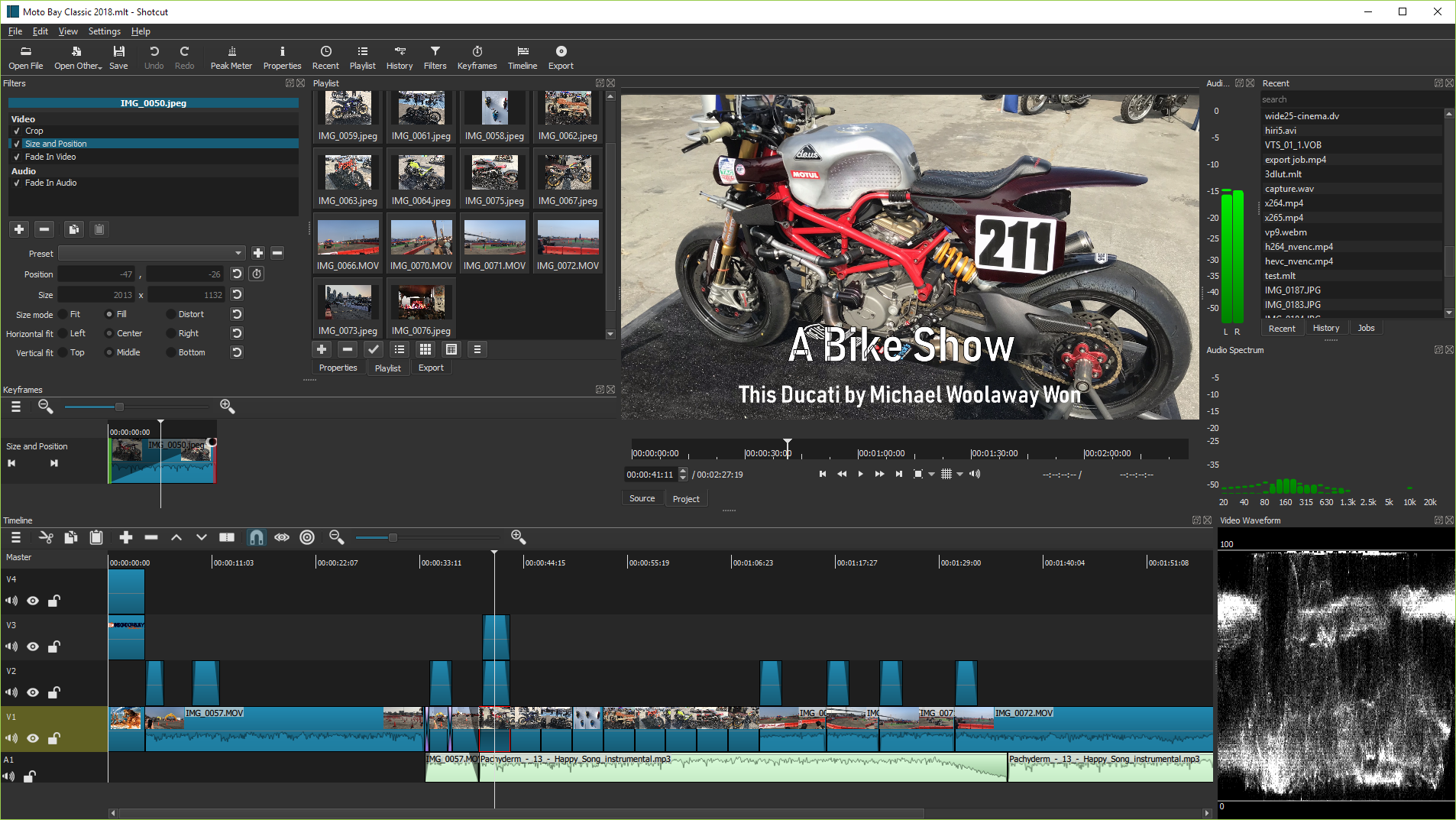
Shotcut was originally conceived in November, 2004 by Charlie Yates, an MLT co-founder and the original lead developer (see the original website). The current version of Shotcut is a complete rewrite by Dan Dennedy, another MLT co-founder and its current lead. Dan wanted to create a new editor based on MLT and he chose to reuse the Shotcut name since he liked it so much. He wanted to make something to exercise the new cross-platform capabilities of MLT especially in conjunction with the WebVfx and Movit plugins.
Lead Developer of Shotcut and MLT