Lords Of The Realm 3 May 2026
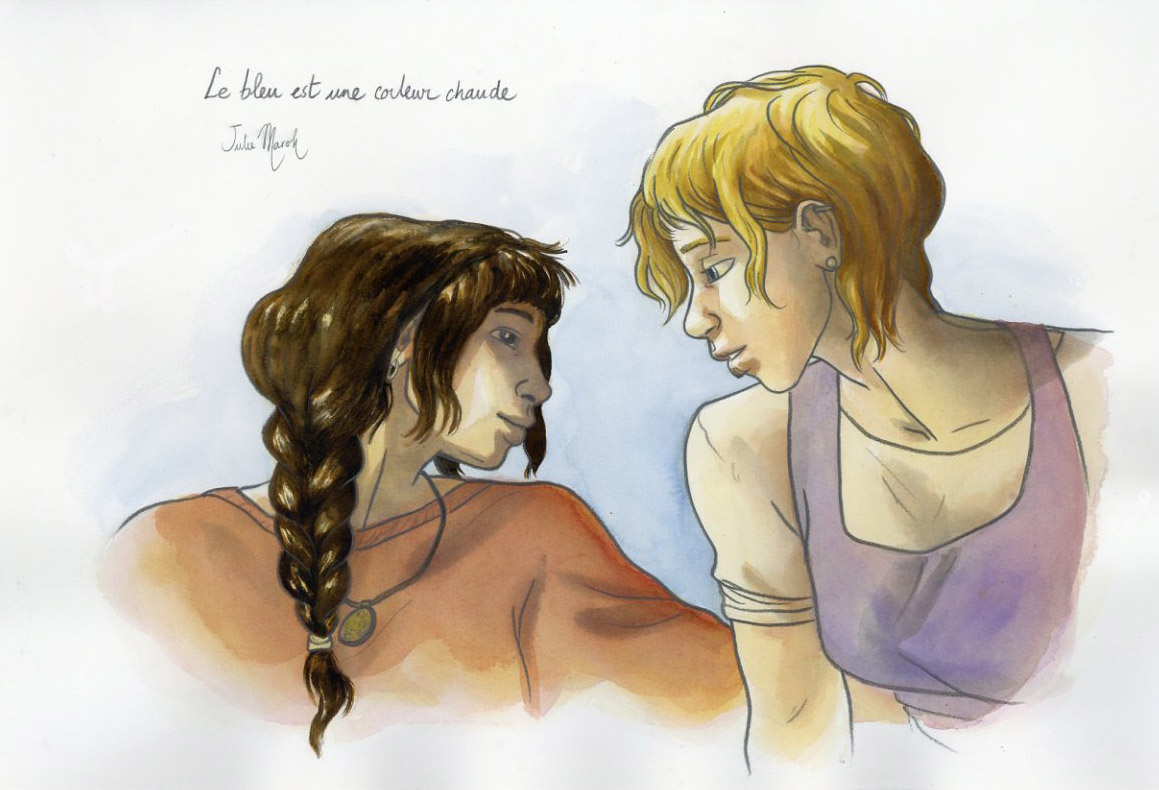
Le Bleu est une couleur chaude, illustration 14
Oeuvre originale.
Artiste : Jul Maroh
Dimensions (cm) : 30x40
Catégorie : Illustrations
Technique : Encre de couleur
Année : 2011
Étiquettes :
430 €
Released by Sierra On-Line just as the legendary publisher was undergoing its final restructuring, LotR3 was the last gasp of the franchise. It stands today as a fascinating "what-if" in strategy history—a game that tried to modernize a classic formula but arguably lost what made it special in the process.
The third installment was a radical departure for the series. While its predecessors were built on turn-based foundations, Lords of the Realm III shifted the entire experience into . This was a polarizing move; developers at Impressions Games wanted to streamline the experience, but for many series veterans, it felt like the soul of the franchise had been "simplified" away. A Different Kind of Management Lords Of The Realm 3
Instead of the granular control over individual serfs and farm fields found in the earlier games, LotR3 introduced a system of : Released by Sierra On-Line just as the legendary
Whether you view it as a misunderstood experiment or a "letdown" compared to its legendary predecessor, it remains a unique piece of early 2000s PC gaming history. If you're feeling nostalgic (or brave), you can still find it on Steam and GOG . I can help you: Compare the mechanics of all three games in the trilogy. Find modern alternatives that capture the "Lords" vibe. Get tips for running it on modern Windows 10/11 systems. While its predecessors were built on turn-based foundations,
Reflections on a Fallen Kingdom: The Legacy of Lords of the Realm III
Managed the economic and urban growth of your holdings. Serfs: The backbone of your resource production.
For many strategy fans, the mention of Lords of the Realm conjures up golden memories of managing grain, breeding cattle, and launching "cow-tapults" at rival castles. Lords of the Realm II is widely considered a masterpiece of 90s strategy , blending turn-based management with real-time tactical combat. Then came 2004, and with it, . The Shift to Real-Time
Votre panier est vide.
Released by Sierra On-Line just as the legendary publisher was undergoing its final restructuring, LotR3 was the last gasp of the franchise. It stands today as a fascinating "what-if" in strategy history—a game that tried to modernize a classic formula but arguably lost what made it special in the process.
The third installment was a radical departure for the series. While its predecessors were built on turn-based foundations, Lords of the Realm III shifted the entire experience into . This was a polarizing move; developers at Impressions Games wanted to streamline the experience, but for many series veterans, it felt like the soul of the franchise had been "simplified" away. A Different Kind of Management
Instead of the granular control over individual serfs and farm fields found in the earlier games, LotR3 introduced a system of :
Whether you view it as a misunderstood experiment or a "letdown" compared to its legendary predecessor, it remains a unique piece of early 2000s PC gaming history. If you're feeling nostalgic (or brave), you can still find it on Steam and GOG . I can help you: Compare the mechanics of all three games in the trilogy. Find modern alternatives that capture the "Lords" vibe. Get tips for running it on modern Windows 10/11 systems.
Reflections on a Fallen Kingdom: The Legacy of Lords of the Realm III
Managed the economic and urban growth of your holdings. Serfs: The backbone of your resource production.
For many strategy fans, the mention of Lords of the Realm conjures up golden memories of managing grain, breeding cattle, and launching "cow-tapults" at rival castles. Lords of the Realm II is widely considered a masterpiece of 90s strategy , blending turn-based management with real-time tactical combat. Then came 2004, and with it, . The Shift to Real-Time
Oeuvre originale.
« Des monstres sacrés exposés à la Galerie Glénat. » LE MONDE
« Glénat épate la galerie. » ACTUABD
La galerie Glénat vend des illustrations et des planches originales de bande dessinée, elle expose régulièrement des auteurs confirmés ou des jeunes de grands talents Ignorer